
Finding Wake Forest Residents
No government office maintains a single current list of every Wake Forest household. The useful record trail changes with the starting point. An owner name or street number fits the county property search. A full name with a county and birth year can fit the state voter lookup. A past household is better approached through a dated directory, deed, newspaper, or yearbook. Municipal minutes and permits can identify a public transaction, but they are not proof that a named person lives in Wake Forest.
Begin with the least intrusive record that answers the question. Property, civic, family-history, and estate research often require only a parcel or an older directory entry. A name match needs another identifier before it becomes useful. Preserve the source, date, county, and record number so the next search can be repeated.
- Confirm the street address and whether it is in Wake or Franklin County.
- Search the county property system by owner, address, REID, or PIN.
- Use the voter lookup only to check official registration details for the named person.
- Follow a parcel to the Register of Deeds index for recorded instruments.
- For an earlier household, compare a dated directory with library, archive, or newspaper material.
Note: An owner, voter, court party, or directory entry answers a different question and should not be treated as a complete household list.
Wake Forest Records Offices
Most Wake Forest addresses route to Wake County, but a smaller incorporated area is in Franklin County. The Town maintains municipal material such as minutes, permits, maps, and planning records. County offices maintain deeds, assessment files, court files, and elections records for the address within their county. The state supplies several search portals, while the local custodian remains the place for a certified copy, a protected record, or a failed online search.
Wake County Register of Deeds
Wake County Justice Center
300 S. Salisbury St., Suite 1700, Raleigh, NC 27601
919-856-5476 recorded documents
Wake County Property Search
Wake County tax and assessment route
Property records use owner, address, REID, and PIN searches.
919-856-5400
North Carolina Voter Search
Choose the correct county for a Wake Forest address.
Wake election support is listed through the county route.
866-522-4723
The Wake County desk is not the correct land or court custodian for the Franklin County part of town. Verify the parcel boundary first, then use the county where the land lies. The full address chain belongs on the Wake Forest streets page.
Wake Forest County Boundaries
A Wake Forest postal address does not by itself select the tax office, deed index, court clerk, vital-record route, or elections board. The Town's branches-of-government information says that the incorporated town is served by Wake or Franklin County government depending on where the resident lives. Wake County's seat is Raleigh; Franklin County's seat is Louisburg. Statewide systems can search across counties, but a county-held file still follows the location of the event, land, or residence.
Use the parcel map and Town jurisdiction information before searching by name. A ZIP code, municipality label, or directory heading is a useful starting clue, not an ownership or jurisdiction decision. This boundary check prevents a search in the wrong county and helps explain why an older source may use a different place term.
Note: Save the county, municipal jurisdiction, ZIP, and source date with any Wake Forest record result.
Wake Forest Property Search
The Wake County Real Estate Property Search is the best first stop for an assessed owner or a parcel tied to a Wake Forest address. It has separate Owner, Real Estate ID, Location Address, and PIN modes. The address mode uses street number and street name, without the street type in the street-name field. An owner search accepts individual names or a business owner name. The result can connect the parcel to a REID, PIN, deed reference, mailing address, and situs address.
| Wake property field | How it is used | Important limit |
|---|---|---|
| Last, first, middle name | Find an individual assessed owner | Owner is not necessarily the occupant |
| Business owner name | Find a parcel held by an entity | An entity address is not a home address |
| Street number and street name | Locate a Wake Forest parcel | Multiple matches may need selection |
| REID or PIN | Carry an exact parcel key between systems | Use the displayed identifier exactly |
The property-search screen warns that the data can change and are not a survey. A mailing address may differ from the situs, which is the physical service location. That distinction matters when following a name into a deed index or comparing properties along one block.
A capture of the Wake County property search shows the official entry point for a Wake Forest residents directory search by parcel or owner.
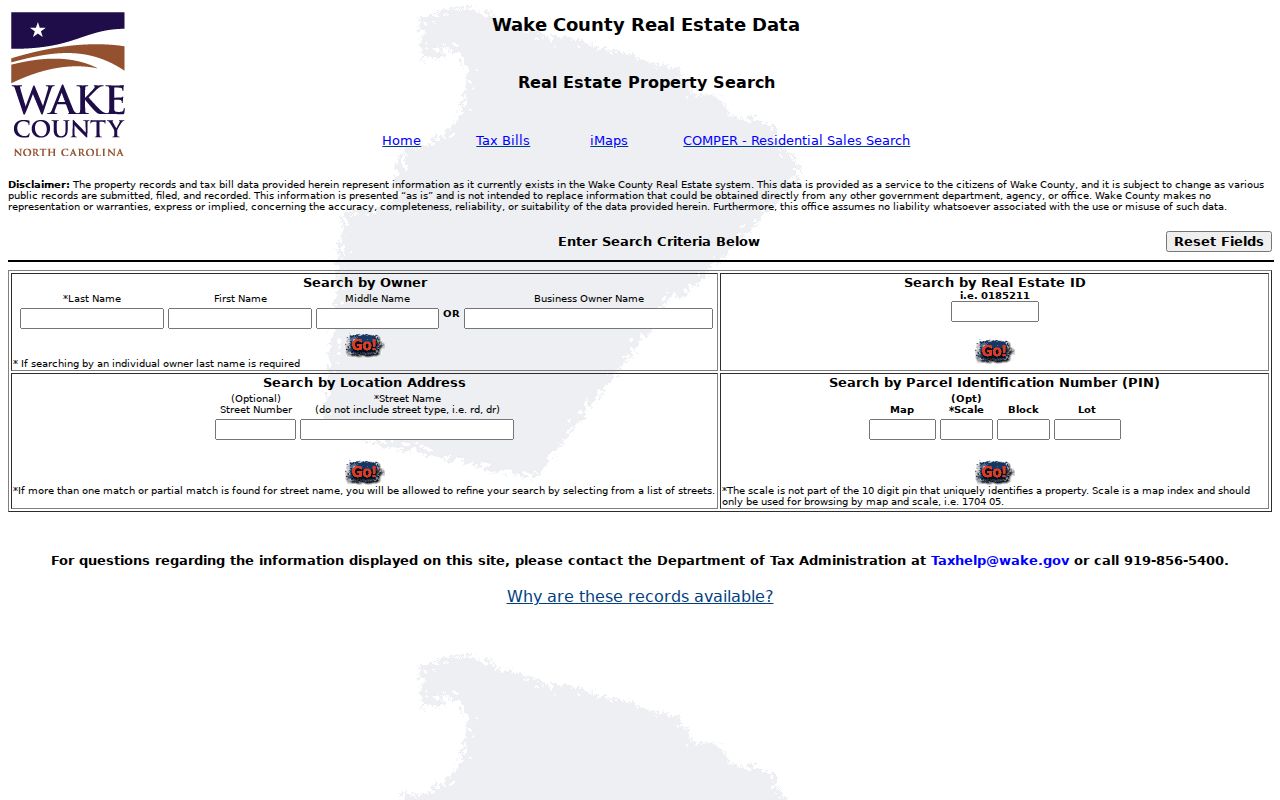
Use the displayed REID or PIN as the bridge to the map and recorded land documents, rather than relying on a name alone.
Wake Forest Voter Records
The state voter search is a name-and-status tool, not an address-first directory. It requires first and last name, offers an optional middle initial and year of birth, lets the user select a county, and requires a status choice of Registered or Removed or Denied. For Wake Forest, choose Wake or Franklin after checking the address. Results can show registration details, jurisdictions, polling place information, absentee-ballot information, and voter history where available.
| Useful fields | First name, last name, optional middle initial, county, and year of birth |
|---|---|
| Status filter | Registered or Removed or Denied |
| Result context | Jurisdictions, polling place, ballot information, and voter history when shown |
| Privacy limit | Protected addresses and confidential identifiers stay outside the public result |
The official voter lookup is strongest when a full name and county are already known. Do not turn a result into proof that someone is physically present at an address. County elections staff handle corrections and protected-address procedures.
Note: Voter history records election participation information, not a record of ballot choices.
The North Carolina voter-search page is one official route for checking Wake Forest resident registration details.
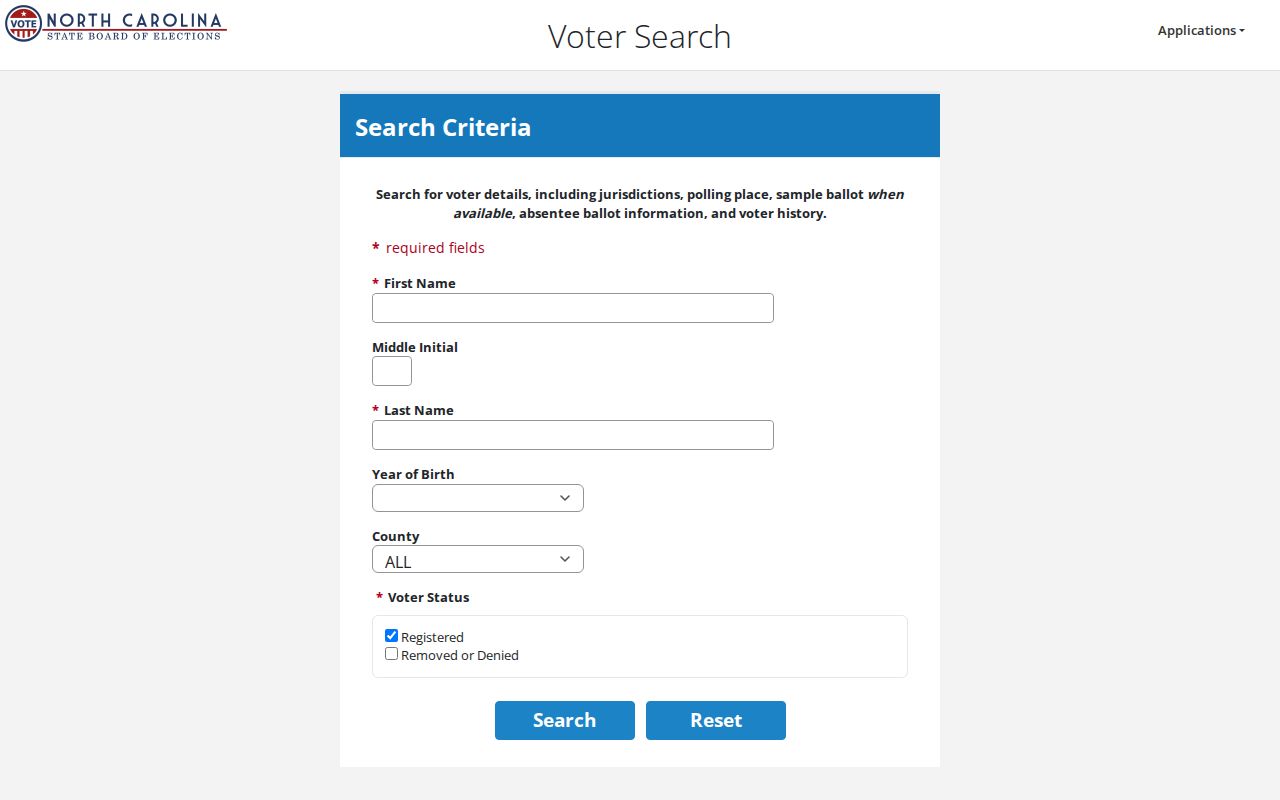
Use the county selector and the visible status before deciding whether a result matches the person being researched.
Wake Forest Deed Index
Wake County's legacy recorded-document index covers documents from July 1785 through April 17, 2025, according to its notice. A new Land Records application began on April 21, 2025, so current access behavior and image availability should be checked before relying on a newer interface. The legacy index remains a practical finding aid for older deeds, maps, easements, plats, releases, and related land records connected to a Wake Forest parcel.
Search by grantor, the party transferring an interest, or grantee, the party receiving it. The index also permits document-type, date-range, and book-and-page searching. At least one of grantor, grantee, date range, or book/page is required. Its Standard and Sounds Like options are useful when initials, punctuation, or a surname spelling vary.
- Parcel
- A defined piece of land tracked by a county identifier such as a REID or PIN.
- Index
- A finding tool that points to a record. It is not a substitute for reading the recorded image.
- Grantor and grantee
- The transferring and receiving parties named in a recorded instrument.
- Criss-cross directory
- A historical directory arranged by address, useful for dated household research.
The document-type menu has an unusual Wake County range. Alongside DEED and EASMT, it includes GRAVE REMOVAL, HIGHWAY MAPS, MAP, SUBN, and VARIANCE. That mix can reveal an address history that a simple owner search misses.
Wake Forest Resident Sources
Current directory-like records do not all identify the same people. The property roll identifies assessed owners. The voter search reports registration information for a named voter. The deed index names parties to a transaction. Town records identify people acting in a public municipal role. The Wake Forest Community Council lists participating organizations and representatives, which can be useful for a civic-history lead but not as a resident roster.
| Wake Forest source | What it can confirm | Custodian | Access route |
|---|---|---|---|
| Real Estate Property Search | Assessed owner and parcel details | Wake County | Online portal and tax help |
| State Voter Search | Registration and election jurisdiction details | North Carolina elections system | Online name search and county board |
| Recorded-document index | Parties to deeds and related instruments | Wake County Register of Deeds | Index, counter, or document request |
| Town minutes and permits | A public role, project, or property transaction | Town of Wake Forest | Department records or Chapter 132 request |
| Community Council listings | Participating organizations and representatives | Wake Forest Community Council | Public organization page |
A current question about one person often needs two sources with different roles. The Wake Forest resident lookup route separates a name match from identity verification and explains the court, vital, and fallback channels.
Wake Forest Court Routes
North Carolina eCourts is the online starting point for Wake County case context. Wake County is in Judicial District 10, and the Wake County Clerk of Superior Court holds local files, wills and estates, certified copies, and public-terminal access. The eCourts Portal can show public case information, documents where public, and hearing searches, but a portal result does not replace the clerk's record or erase limits on sealed, juvenile, victim, or confidential material.
Vital events follow a separate route. State holdings begin in different years for birth, death, marriage, divorce, and fetal-death records. North Carolina Vital Records does not provide an unrestricted public name-search database. Certified-copy access depends on the event, eligibility, identity, and record-specific rules under N.C.G.S. 130A-93. Older events can route to a Register of Deeds, Clerk, or State Archives.
A capture of North Carolina vital-record ordering information illustrates the official event-record route available to Wake Forest researchers.
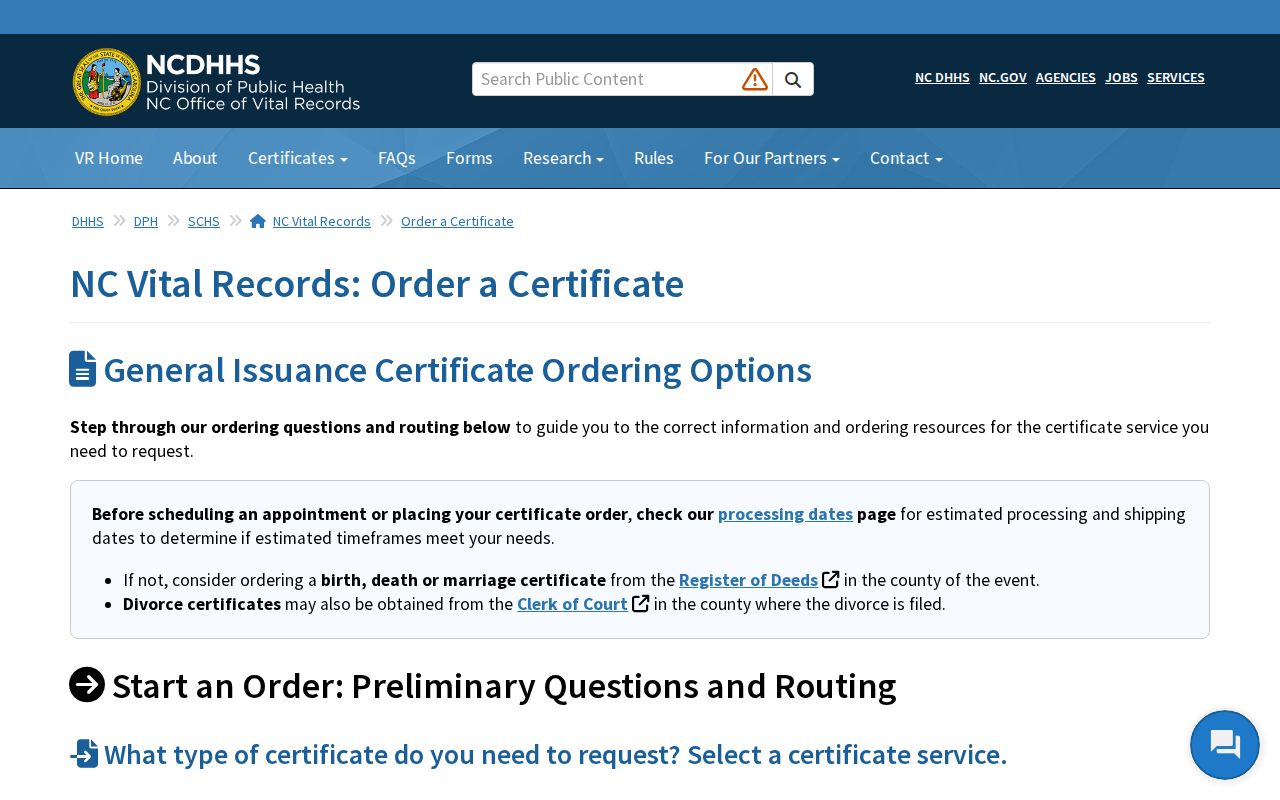
When a certified copy is needed, confirm the current eligibility, identification, fee, and event-county requirements with the custodian first.
Wake Forest Town Records
The Town Clerk keeps permanent Town records, the seal, Board of Commissioners agendas, and minutes. Town public-record requests can be made with the Town form or through the appropriate department. A narrow request names the existing record, date range, department, and preferred format. Chapter 132 does not require the Town to create a custom analysis or research a person's entire history.
For an address question, municipal material may include planning packets, permit contacts, development reports, cemetery layers, or meeting comments. Those records document a transaction or public role. Pair them with a parcel, deed, or dated directory before drawing a resident conclusion. The Town's GIS service also supplies municipal boundaries, jurisdiction, easements, and Town-owned-property layers.
This capture of the Wake Forest public-records guidance shows the Town route for an existing municipal record.
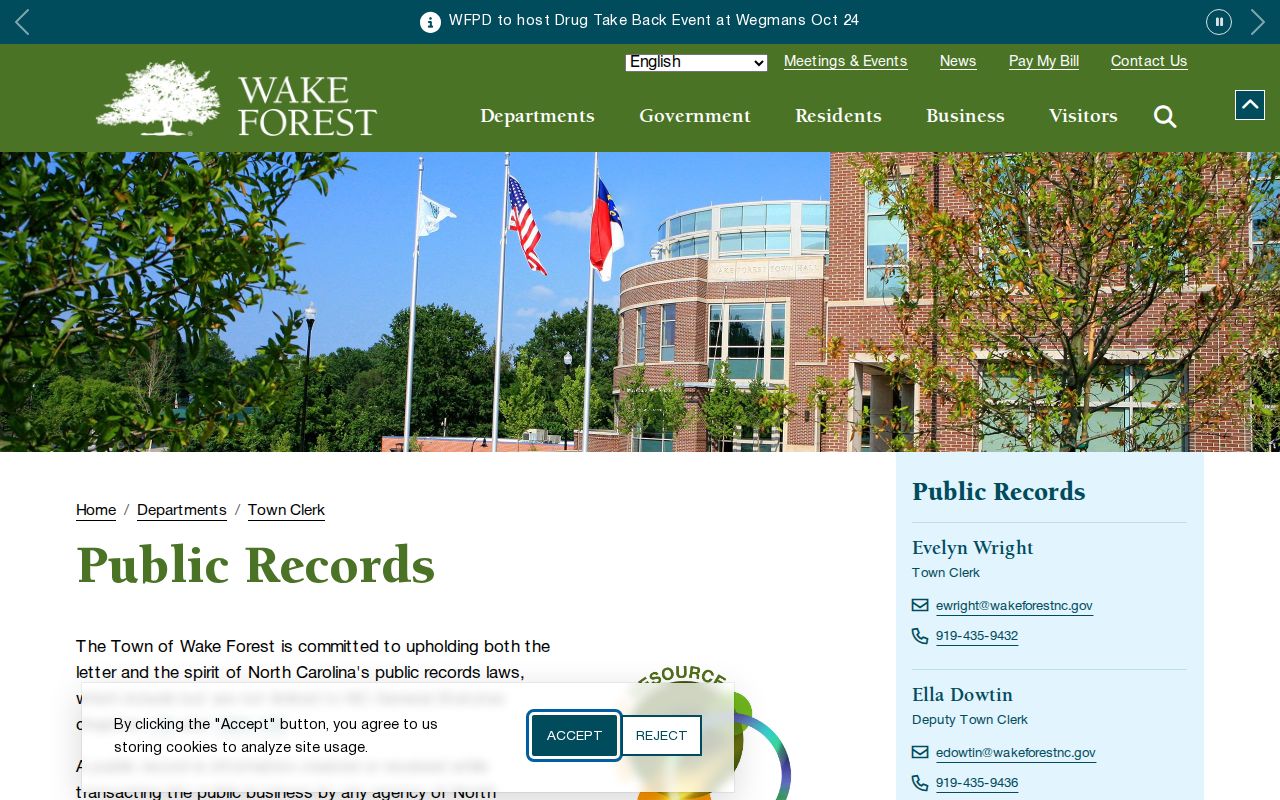
A specific request is easier for a custodian to locate and less likely to sweep in protected material.
Wake Forest Custody Searches
Current county custody, state correction records, registry information, and court cases are different record categories. The Wake Sheriff route concerns current Wake County custody. The North Carolina Department of Adult Correction search concerns state prison, probation, or parole status. The state registry has its own statutory scope. None of these systems proves a person's identity, current home address, court disposition, or relationship to a Wake Forest household.
The Wake arrest-search notice reported a postponed internet transition in August 2026 and directed users to public kiosks rather than promising a stable online roster. For a reliable result, use the correct system, record the date and source, then confirm a court matter with the Clerk or eCourts where appropriate.
The Wake Sheriff inmate page is shown here as the county-custody route, not as a general Wake Forest directory.
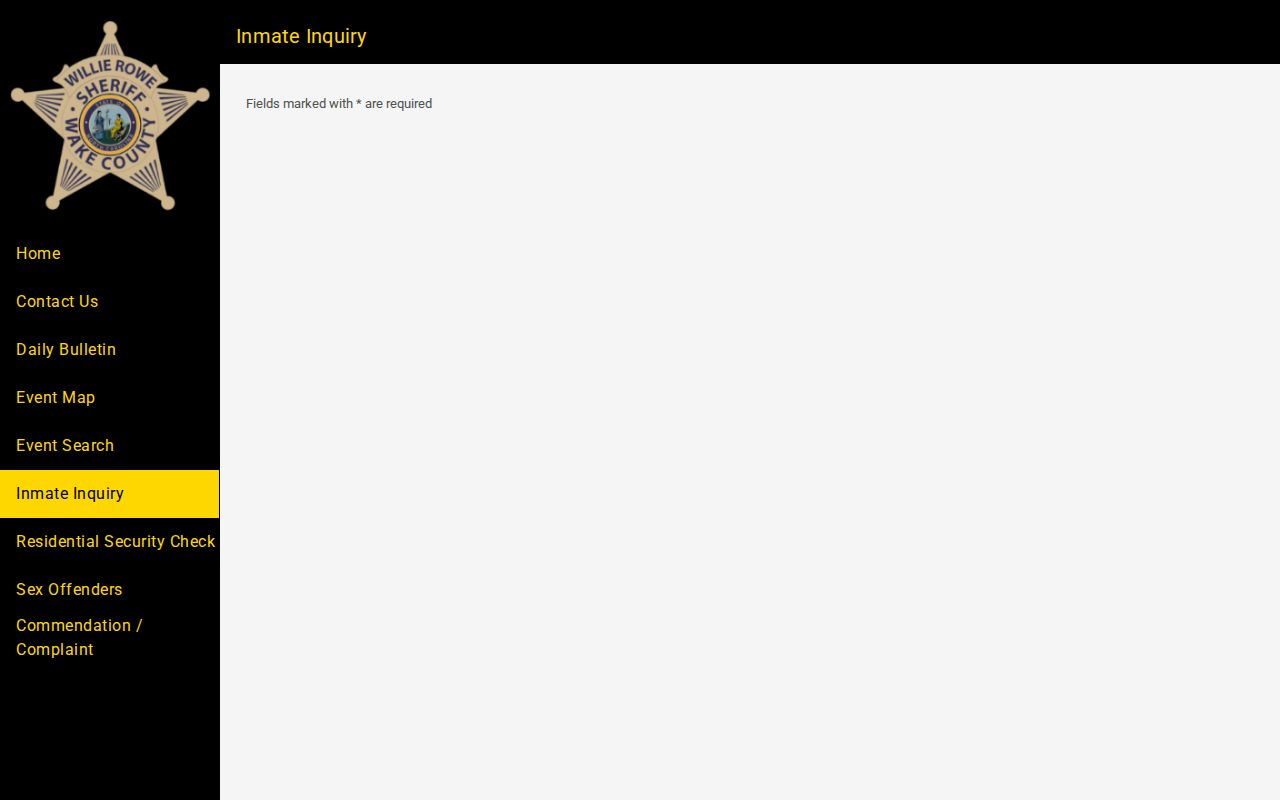
County custody data needs the date and the county context because it is different from a statewide correction record.
The North Carolina adult-correction search is a separate state route.
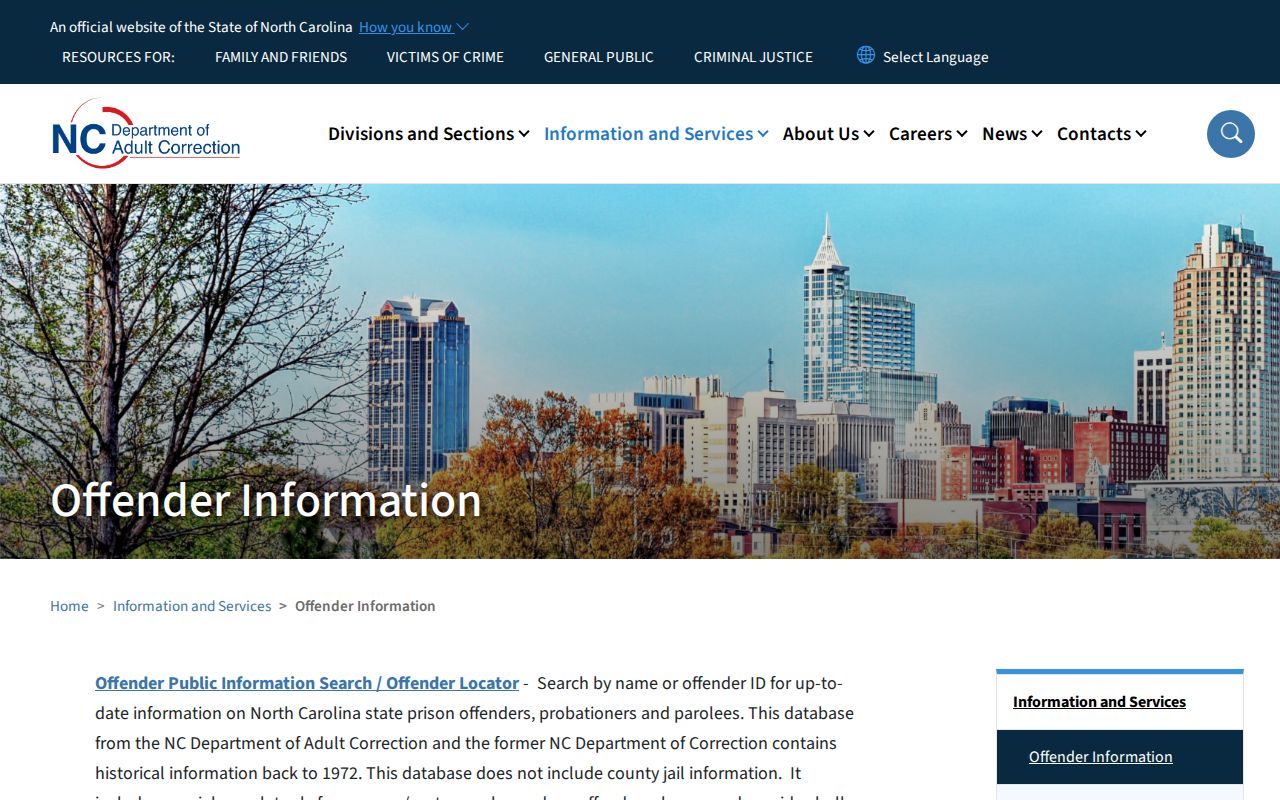
Use a state correction result only for the status it reports and do not combine same-name results without matching identifiers.
The North Carolina registry information is another separate official record category.
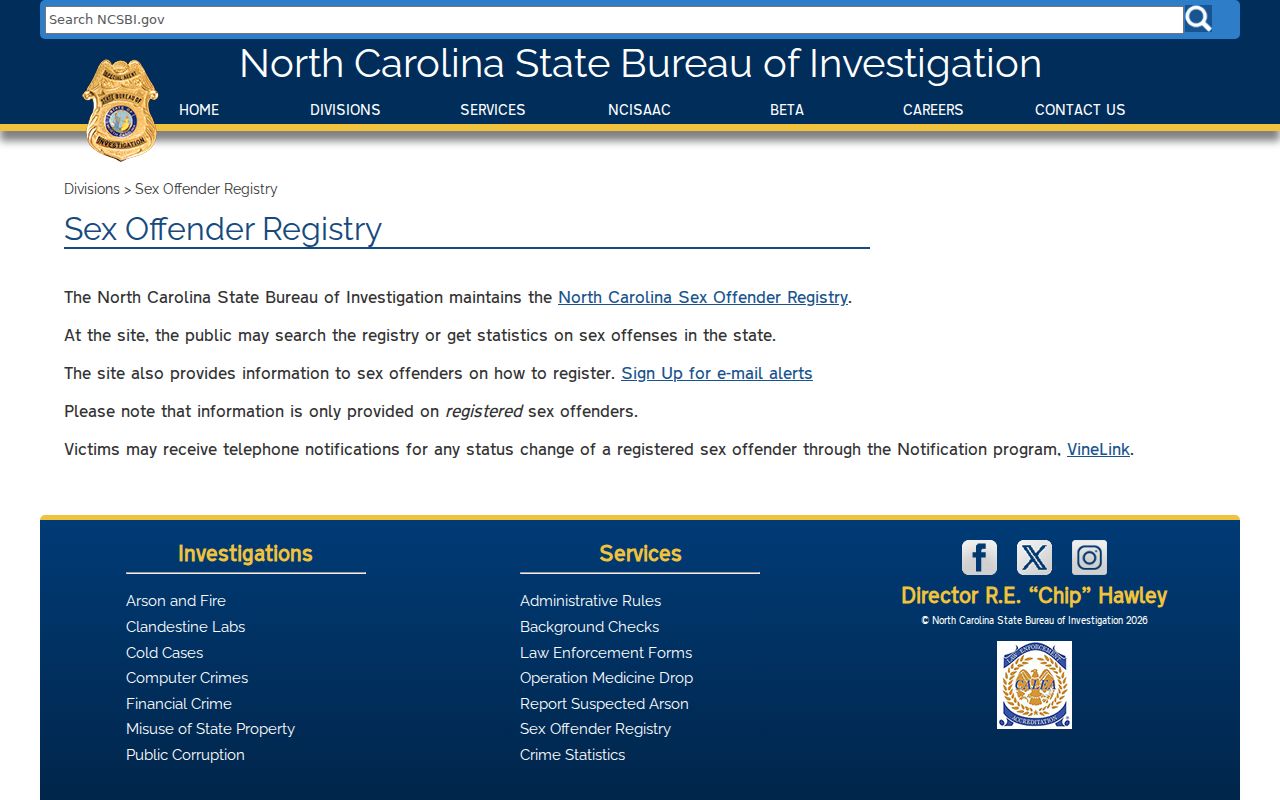
The registry's published scope does not convert it into a general contact or neighborhood list.
Wake Forest Address Privacy
North Carolina public-records access has firm limits. The Town identifies sensitive personal identifiers, security information, personnel material, and tax information among material that can be protected or redacted. N.C.G.S. 132-1.10 addresses redaction of items such as Social Security numbers, driver-license numbers, account information, PINs, and passwords in public documents. Vital records, sealed court material, juvenile information, and protected voter addresses have their own limits.
The North Carolina Address Confidentiality Program assists eligible survivors of domestic violence, sexual assault, stalking, and human trafficking with a substitute address, mail forwarding, and an authorization card. It is not a general record-deletion service. Voter-address protection can also apply when a participant provides the required authorization and safety statement to the local board.
Lawful use. Wake Forest records are useful for family history, civic research, property questions, and reconnection. Do not use them to stalk, harass, intimidate, or expose a protected address.
Wake Forest Deed Letter Checks
An official-looking deed letter is not proof that a payment is needed. The North Carolina Attorney General has warned about Recorded Deed Notice mailings that offer a property assessment profile for $86 even though much of the underlying information is available from the Register of Deeds, tax assessor, or an official agency. Compare the document claim with the official county index and use contact information from a government page, not the mailing.
| Letter claims a record exists | Search the official index by parcel, name, or book and page. |
|---|---|
| Letter asks for a fee | Ask the actual custodian for its current copy or inspection route. |
| Letter seeks account data | Stop and independently contact the county, Town, or state office. |
This official-versus-commercial comparison keeps the search anchored in a custodian record. It also avoids confusing a convenience product with the public instrument it describes.
Wake Forest Record Changes
Several access changes affect a current Wake Forest search. The Register of Deeds announced its new Land Records application in April 2025 while retaining its legacy index notice for documents through April 17, 2025. North Carolina eCourts reached all 100 counties on October 13, 2025, making the Portal the normal online start for Wake County cases while leaving the Clerk responsible for certified and protected material.
Wake County's older permit search is expressly limited to records before July 1, 2018 and says its data were last refreshed July 13, 2018. Wake Forest's eSuite route and Town departments are better starting points for later municipal permit material. Date-stamp each result because the portal, the record, and the underlying property can change independently.
Note: A transition notice is an access clue, not a guarantee that every historical record image has moved online.
Wake Forest Directory Collections
Historical Wake Forest residents are most often found through a regional shelf rather than a standalone municipal volume. The documented local route is the Hill suburban directory run beginning in 1975, with Wake Forest coverage in the Raleigh suburban volumes. Earlier context comes from Raleigh Polk, Hill, Maloney, and cross-reference titles, selected digitized scans, Wake Forest College yearbooks, newspapers, and library or State Archives collections.
Read the original page when possible. The 1899-1900 Raleigh directory uses abbreviations such as r, bds, and rms, and its canvass extended beyond Raleigh's limits. OCR can flatten those marks or a place label. A dated listing can place a household, occupation, or address in time, but it still needs comparison with a deed, newspaper, census, or other original record.
Wake Forest's older names add another search key. Royall Mills was incorporated in 1907, its charter was repealed in 1945, and the mill village was annexed into Wake Forest in September 1977. Search Wake Forest College, Royall Mills, and Glen Royall where the source supports those terms. The full collection-by-collection route is on the Wake Forest city directories page.